 CUPNORA
CN75C
70D↔80BBra Cup Size Chart with Pictures — Shape and Measurement
The diagrams below explain geometry. They are not photographs of bodies, a scale of attractiveness or a way to identify a person’s cup letter.
Snug US/UK method • provisional rules • not a fitting guarantee
Example measurements — replace with your own. 75 / 90 cm
US30DDD/F
28G↔32DD/EUK30E
28F↔32DDEU75C
70D↔80BFR90C
85D↔95BAU8E
6F↔10DDJP75C
70D↔80BSister sizes: Smaller band ↔ Larger band
Measurements are calculated in your browser and are not sent to a server.
From body size to a cup component
A garment size does not specify cup width, depth or pad thickness. These are supplier-listed component references, not a fit guarantee. Select a sample against the garment pattern.
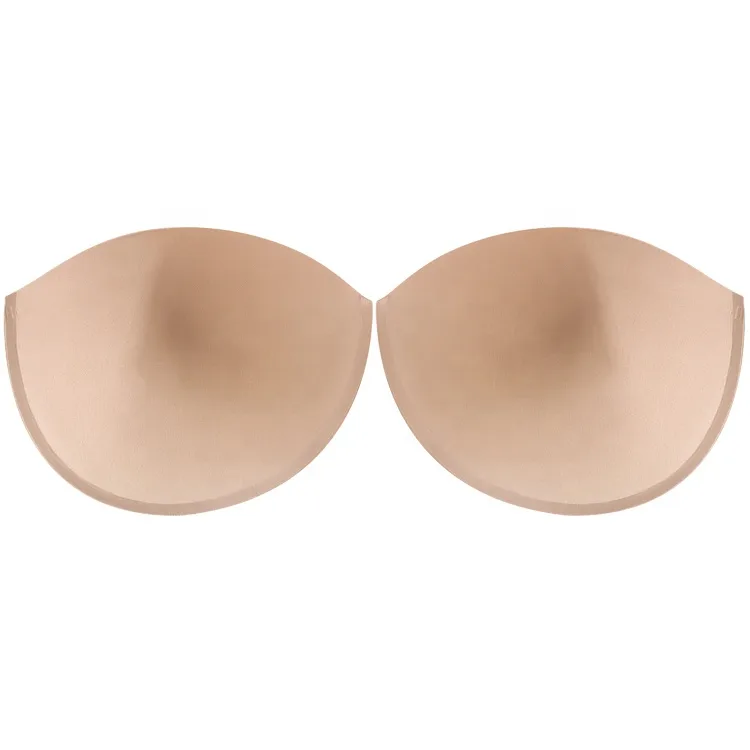
BCD
- Listed type
- Waterdrop bra pad
- Supplier size labels
- B/C/D
- Cup width
- Confirm with supplier
- Pad thickness
- 0.6 CM
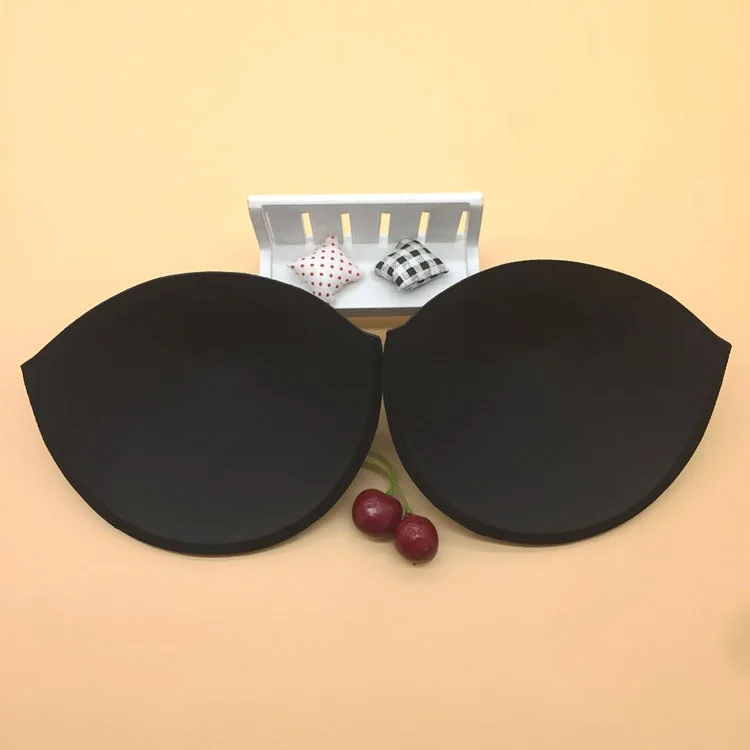
BCD
- Listed type
- Semicircle
- Supplier size labels
- B/C/D / B / C / D
- Cup width
- Confirm with supplier
- Pad thickness
- 0.7CM
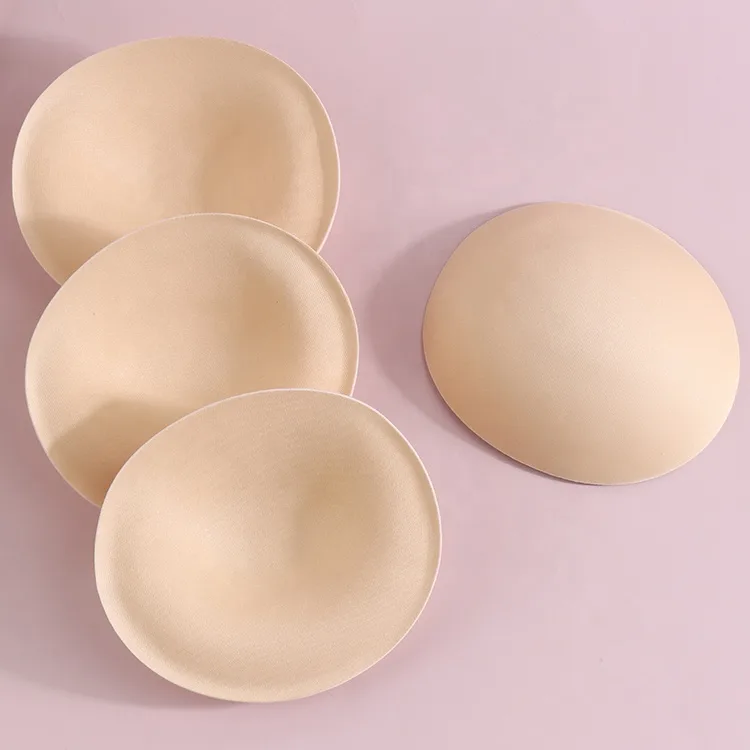
JH02
- Listed type
- bra pads for swimwear
- Supplier size labels
- Uniform Size / A / B / C / D
- Cup width
- Confirm with supplier
- Pad thickness
- 1.8cm
Source-listed; not independently measured.
Explore cup componentsWhat a useful cup picture can show
A drawing can identify the lower edge, the widest span and the forward projection of a cup. These are useful landmarks when comparing a sample with a garment pattern. A picture cannot supply a reliable physical dimension unless it includes a defined scale and measurement method. The diagrams here deliberately avoid assigning millimetres or retail letters to a silhouette. Their purpose is to separate shape questions from the circumference calculation above.
Why the same letter can look different
Cup volume is relative to a band size and a grading convention. A B on one band is not a fixed container that remains unchanged across all bands. Even within the same size, a broad shallow cup and a narrow projected cup can distribute volume differently. Camera angle, padding and garment structure further change appearance. Comparing photographs to decide a letter can therefore be less useful than measuring and trying the actual product.
Read the diagrams as a component checklist
Use the front view to discuss coverage and edge shape, then the side profile to discuss depth. Mark where you intend to measure width: along the flat lower edge, across the opening or over a curved surface. These paths produce different values. For padding, name the measurement point and whether the foam is compressed. A thick centre with a tapered edge should not be reduced to one unexplained thickness number.
Connect an illustration to a real sample
After identifying the shape you need, open a linked supplier reference and compare its listed dimensions and photographs. If width or depth is missing, request the drawing or an actual sample rather than estimating from an image. The calculator can provide a garment-size starting point, but it cannot determine a mould from two body circumferences. Keep the component identifier and the garment size separate in an enquiry so that the supplier can confirm each.
Worked measurement examples
Each row applies the regional measurement rules to the same two readings. The labels are independent trial estimates, not guaranteed garment equivalents.
| Underbust (cm) | Bust (cm) | US / UK | EU / FR | JP / CN |
|---|---|---|---|---|
| 75 | 85 | 30D / 30D | 75AA / 90AA | 75A |
| 75 | 90 | 30DDD/F / 30E | 75C / 90C | 75C |
| 80 | 95 | 32DDD/F / 32E | 80C / 95C | 80C |
Read the shape, then check the dimensions
Concept diagrams only, not photographs or an A–D body comparison. Neither the outline nor a cup letter determines actual capacity.
| US / UK | inches | EU · cm | JP / CN · cm |
|---|---|---|---|
| A / A | 1 | A: 12 | A: 10 |
| B / B | 2 | B: 14 | B: 12.5 |
| C / C | 3 | C: 16 | C: 15 |
| D / D | 4 | D: 18 | D: 17.5 |
| DD/E / DD | 5 | E: 20 | E: 20 |
| DDD/F / E | 6 | F: 22 | F: 22.5 |
| G / F | 7 | G: 24 | G: 25 |
| H / FF | 8 | H: 26 | H: 27.5 |
From body measurements to a garment label
Wacoal Europe gives a real relabelling example for Freya, Elomi and Fantasie. A UK 32F formerly labelled FR 85F is now labelled FR 85G. Record the brand, market and original size label alongside the measurements before choosing a cup mould.
| Measurement example | cm | in |
|---|---|---|
| Underbust | 75 | 29.53 |
| Full bust | 91 | 35.83 |
| Difference | 16 | 6.3 |
Questions about the calculation
Can I identify my cup size from these pictures?
No. They show measurement concepts, not a visual diagnosis of body size.
Are the drawings to scale?
No. They are labelled conceptual profiles and contain no asserted production dimensions.
Why can two cups with the same label look different?
Width, projection, coverage and padding distribution can differ even when the label matches.
Can I send a diagram to a factory?
Yes, as a marked measurement request. Add real dimensions or ask the supplier to supply them before approval.
Methods and sources
- Triumph Japan — measuring and checking fit
- Wacoal Europe — international label guide
- Bravissimo — fitting and sister-size principles
- Leonisa — brand-specific inch and cm intervals
- Loungerie — Brazilian band and cup context
Prepared by CUPNORA, operated by Yiwu Jinhong Garment Accessories Co., Ltd. AI assists organisation and translation. These provisional rules have not been confirmed as the factory’s grading standard.
CUPNORA editorial policy