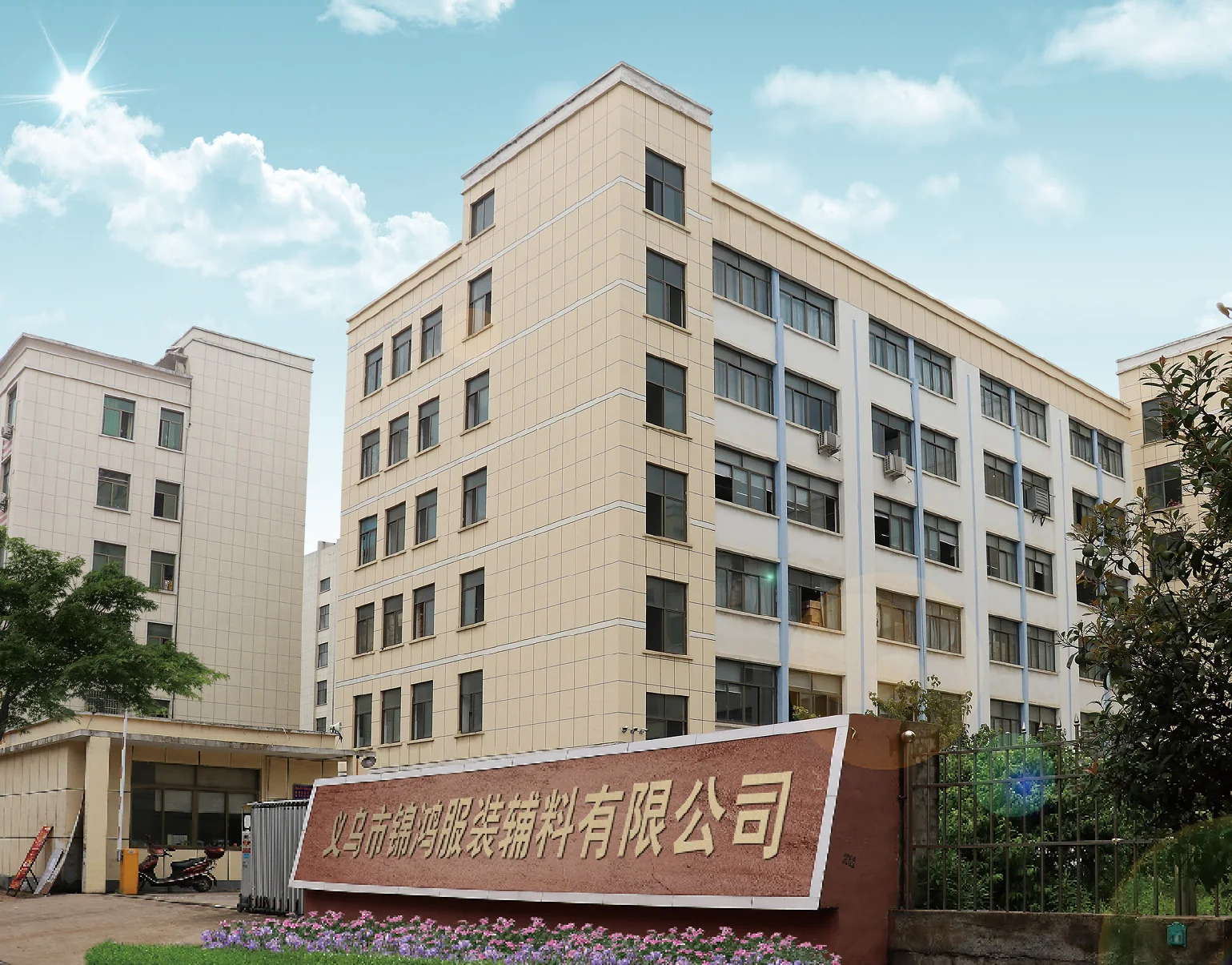
Yiwu Jinhong Garment Accessories Co., Ltd. brings bra cup and pad manufacturing together with product development in Yiwu, Zhejiang. Explore the production stages, the sample room and the details to confirm for your order.
Yiwu Jinhong · Company photo archive supplied November 2026
THE COMPANY BEHIND THE CATALOGUE
A focus on
bra cups and pads.
Established in 2010, Yiwu Jinhong describes its business as manufacturing and trading in bra cups, pads and related accessories. Its catalogue covers component references for lingerie, swimwear, activewear and dresses. CUPNORA is the company’s sourcing website for buyers worldwide.
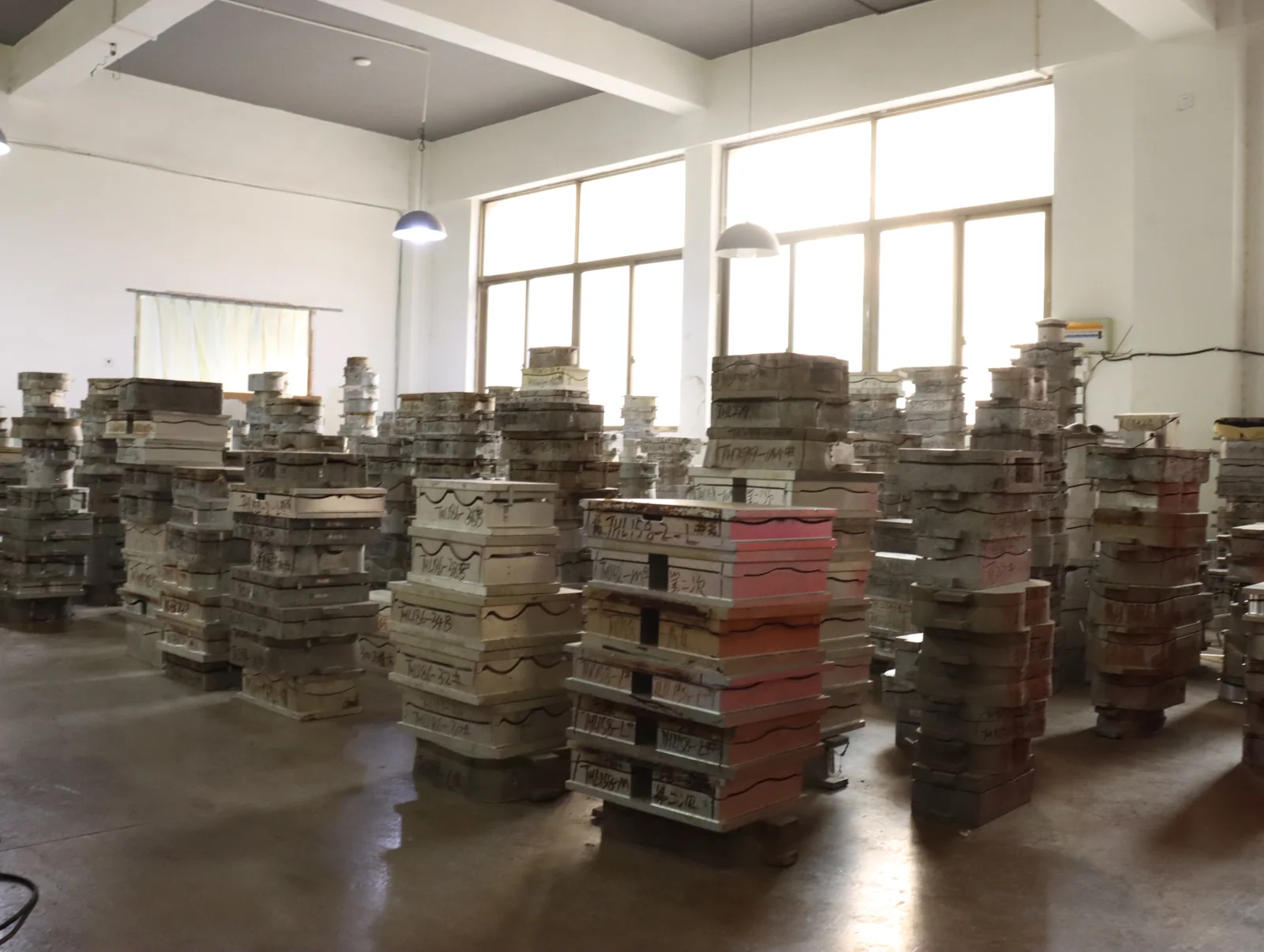
A broad mould library provides a starting point for shape matching. The production team is supported by a commercial team of more than 30 people, connecting product requirements with order coordination.
10,000+ m²
Factory floor area
1,300+
Moulded-cup styles
4,000+
Mould sets
130+
Production team members
Reported production capacity
Approx. 120,000
pairs / day
Approx. 3.2 million
pairs / month
Approx. 35 million
pairs / year
Factory figures and capabilities are stated in Jinhong’s company introduction supplied on 17 November 2026. Capacity figures are approximate, separately reported planning references; available capacity and delivery dates are confirmed for each order.
INSIDE THE WORKSHOP
From the mould room
to the packing floor.
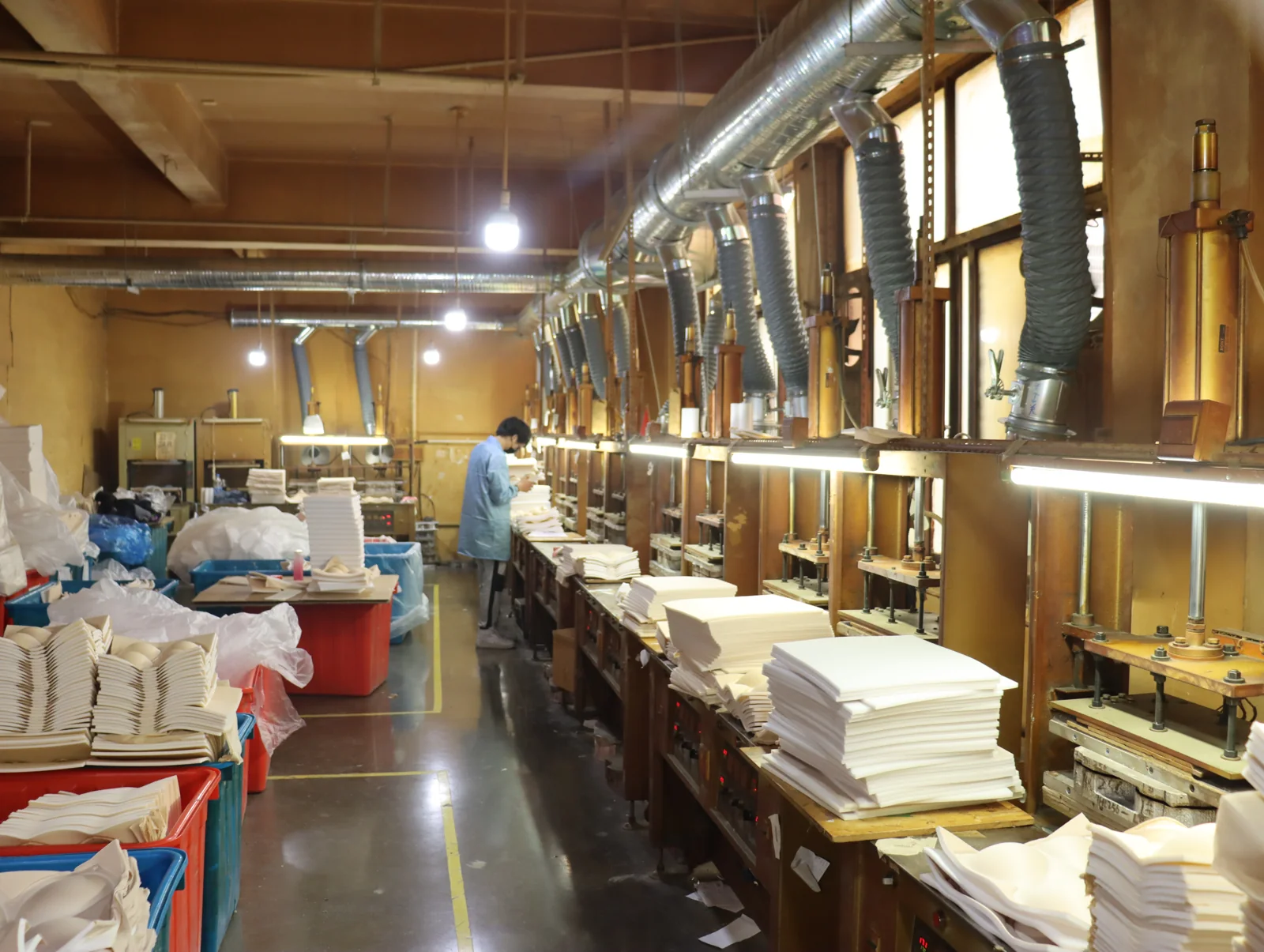
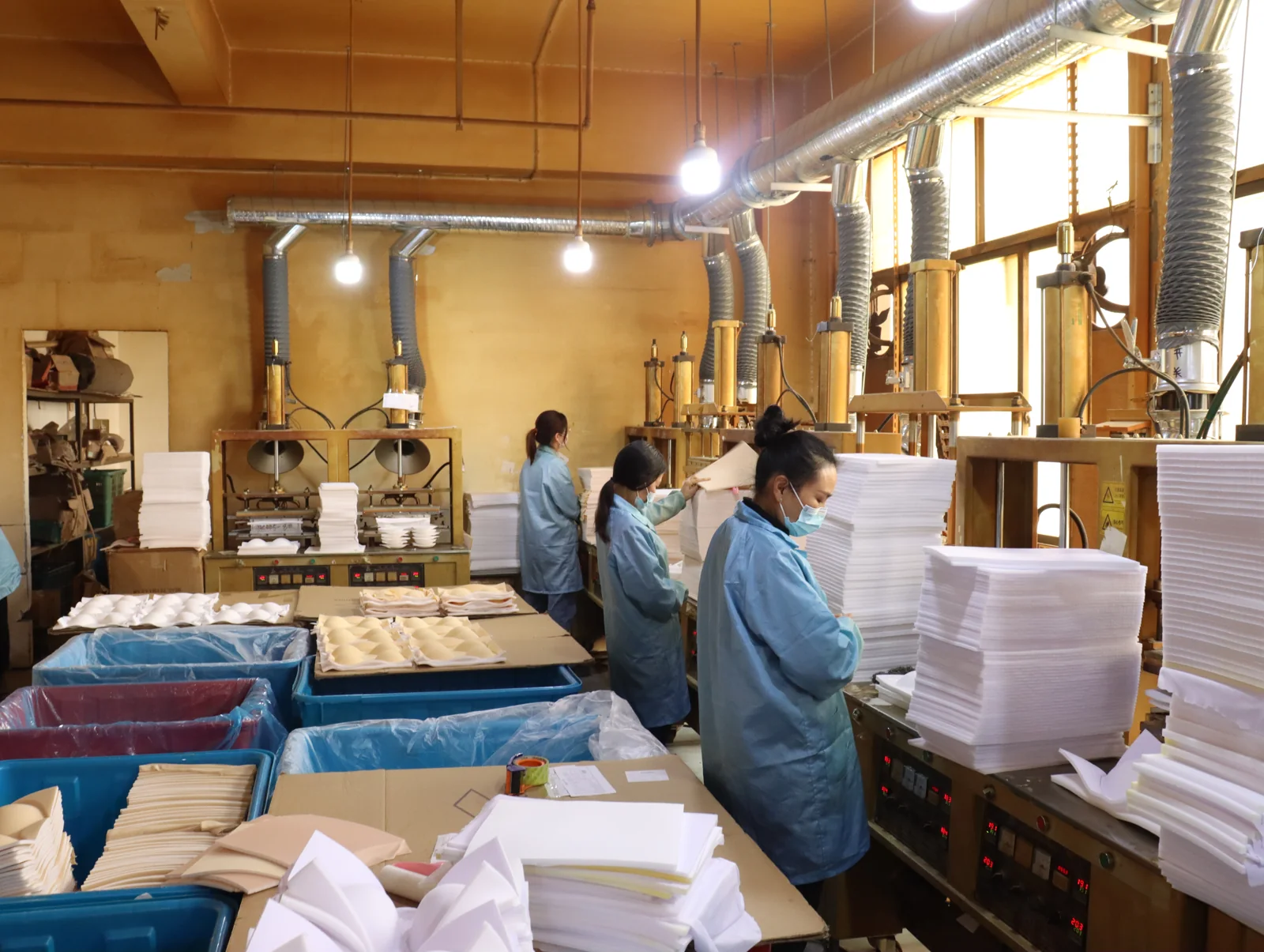
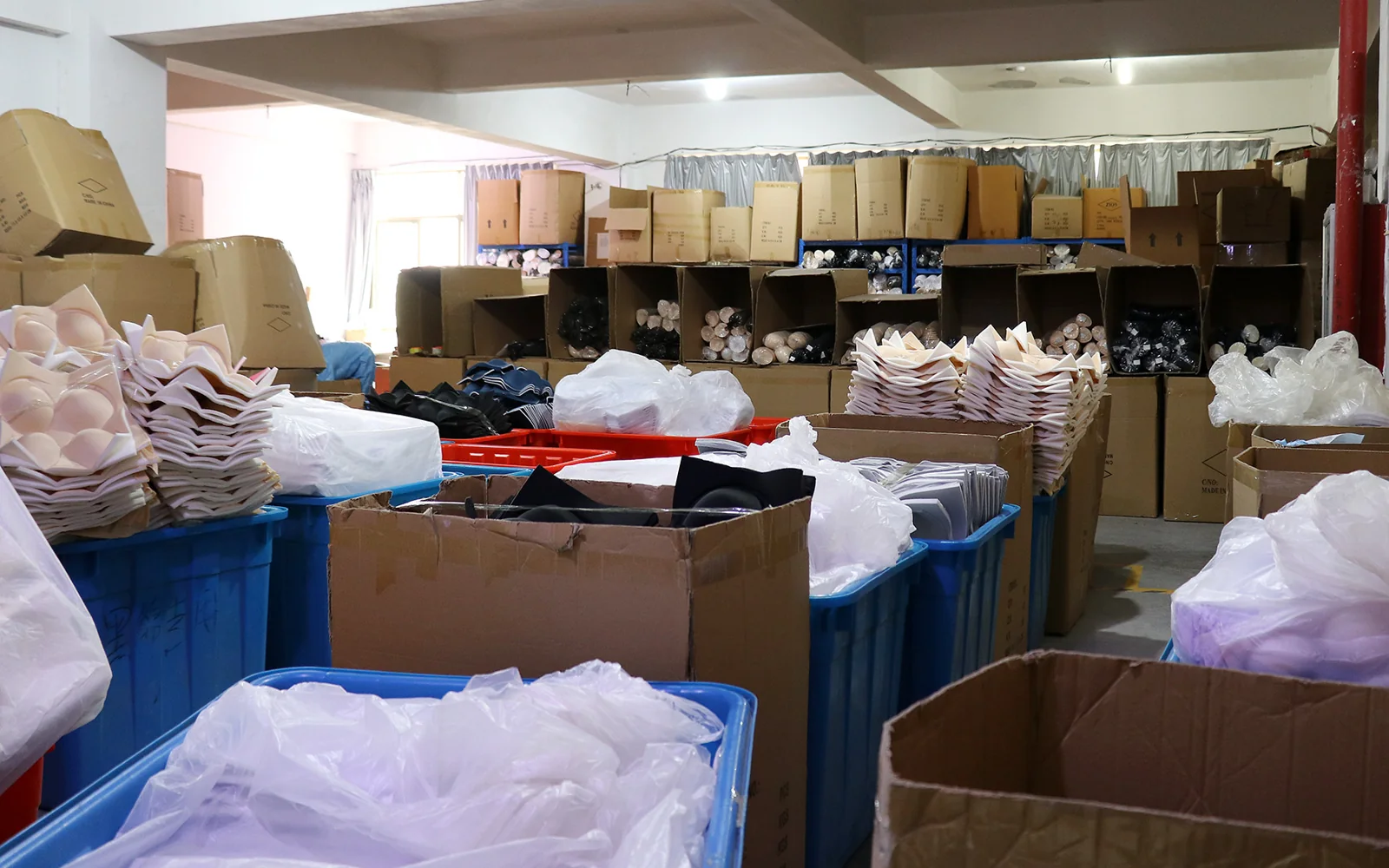
Explore Jinhong’s factory archive: moulding stations, sample tooling, finishing and finished-goods storage. These photographs show the working spaces behind the development and production process.
The moulding workshopFactory archive photograph · Open the full image
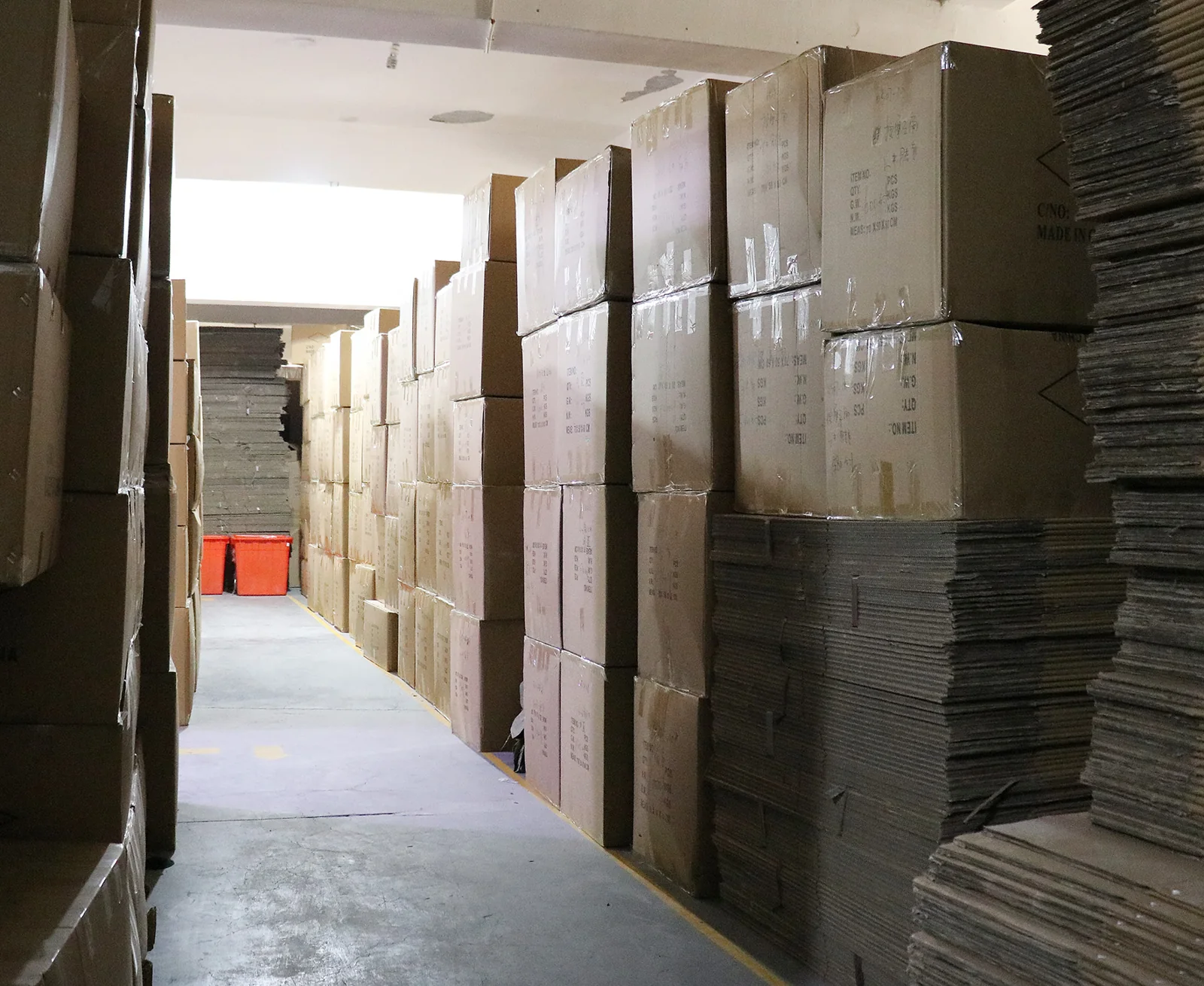
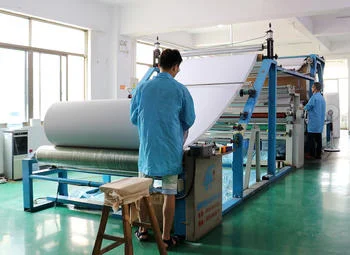
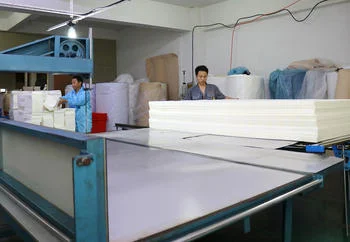
Sample tooling roomMould sets and sample-development workspace.Moulding in progressOperators working with foam sheets at moulding stations.Finishing areaFormed cups organised for the next handling stage.Finished-goods storageCartons and packing materials in the factory storage area.
Company photo archive supplied on 17 November 2026. Archive photographs are not a live view of current stock or production availability.
PEOPLE, MATERIALS & TOOLING
Development expertise,
inside the factory.
Jinhong’s company introduction describes an in-house development team and CNC machining centre, with experience developing moulded cups using new fabrics and specialised foams.
01
A dedicated development team
The team includes a technical director, pattern-room specialist, sample maker and development manager. Bring the garment reference and the cup requirements together so shape, construction and fit can be reviewed in one brief.
02
In-house CNC machining
With 4,000+ mould sets reported in the company profile, development can begin by assessing existing tooling. Where a new shape is needed, agree the tooling route, ownership and sample approval before production.
03
Fabric and foam development
Discuss face fabric, backing, foam, layer order and the required feel as a complete construction. New combinations need sample approval; material certificates must match the materials actually selected.
Equipment described in the 2024 factory presentation
Hot-melt lamination
Cup-moulding presses
Hydraulic cutting
Automated cutting tables
Overlocking equipment
CNC machining
The equipment route is selected for the agreed material and construction. Machine availability and the exact processing sequence are confirmed for the project.
Development capabilities: company introduction supplied on 17 November 2026. The public website catalogue is a selection of product listings, not a count of every factory style or mould.
FROM MATERIAL TO FINISHED COMPONENT
Five stages.
Details to agree at each.
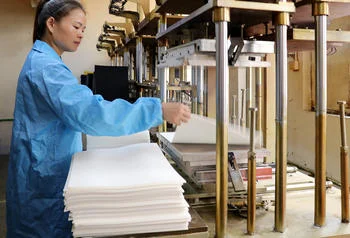
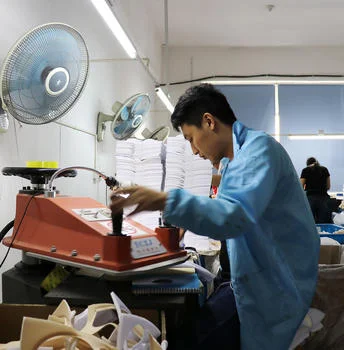
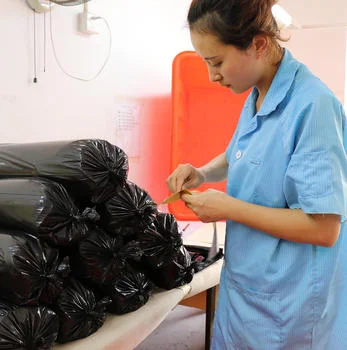
The sequence below follows Jinhong’s published process photographs. The accompanying checkpoints help define the construction and acceptance requirements for your project.
01
Material lamination
Combining sponge and fabric.
For your specification
Foam and fabric references, layer order, colour and which surfaces are laminated.
02
Material cutting
Cutting materials for the required product.
For your specification
Outline dimensions, orientation and the reference drawing used for the part.
03
Hot pressing
Forming the product through hot pressing.
For your specification
Cup geometry, depth, size progression and whether a new mould is required.
04
Trimming
Trimming to the outline of the mould.
For your specification
Finished outline, edge profile and the area used for sewing or pocket insertion.
05
Inspection & packing
Inspection and packing to customer requirements.
For your specification
Measurement points, agreed tolerances, model labels, quantity units and pack counts.
Company and process photographs: Yiwu Jinhong’s public supplier profile, recorded 30 September 2026. Development services are also described in its 2025 exhibitor entry. Supplier profile · 2025 exhibitor directory
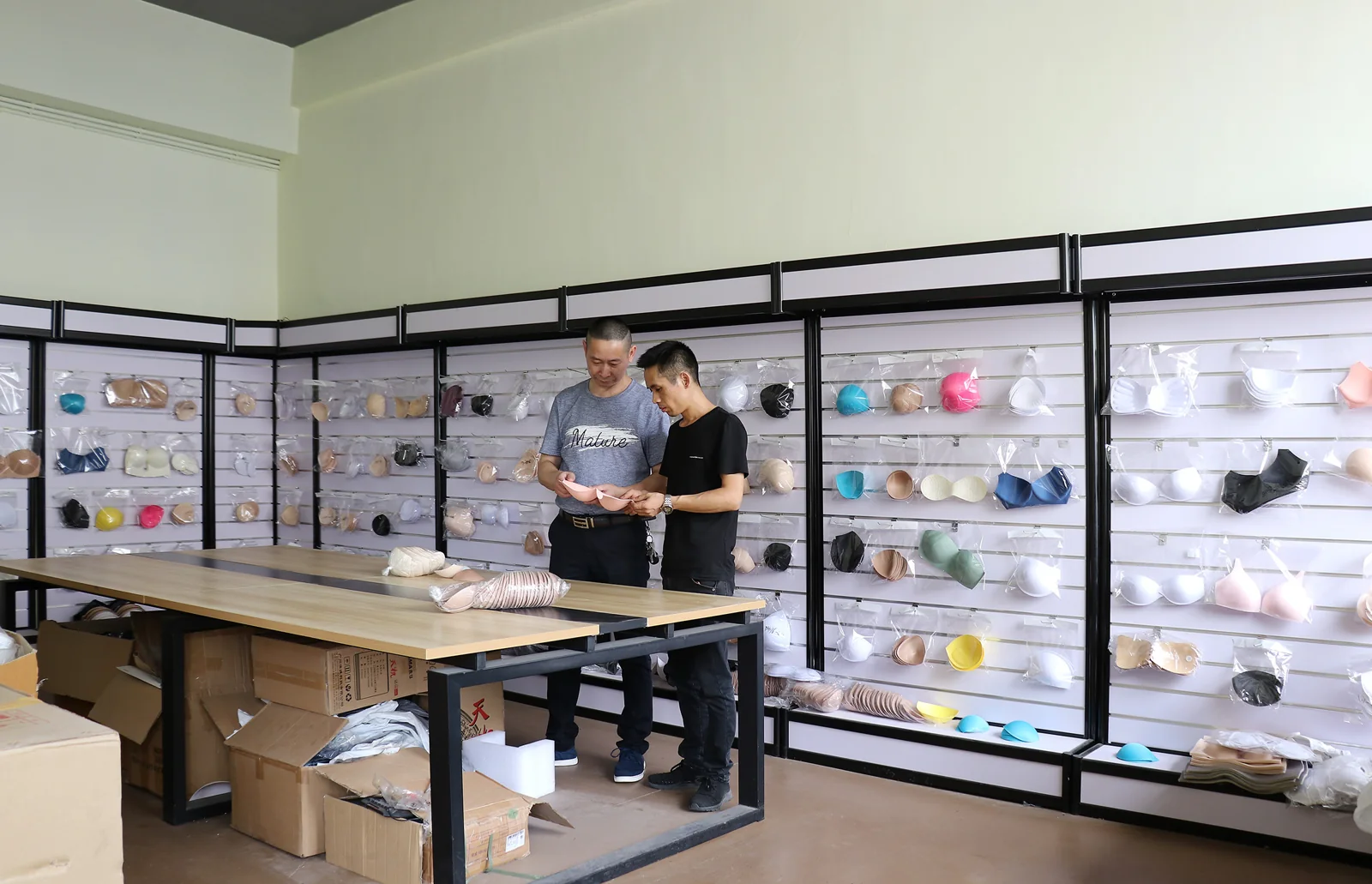
Sample room · Company photo archive
DEVELOPMENT STARTS WITH A REFERENCE
See the shape.
Define the changes.
Compare a catalogue model with the intended garment. Separate changes in geometry, thickness, foam, face fabric and attachment before confirming the sampling route. A material change and a new cup shape may require different development work.
Jinhong reports incoming-material inspection, in-process inspection and full inspection at packing. For your project, agree what is checked against the approved sample and specification at each stage.
01
Incoming materials
Agree fabric and foam references, colour, layer requirements and the supporting material documents.
02
In-process inspection
Define cup shape, marked dimensions, thickness positions, appearance and the approved sample revision.
03
Full inspection at packing
Confirm model and size identification, pairs or pieces, packing quantities and the agreed visual checks.
Inspection stages are company-stated. The checkpoints above are items to agree for the order; inspection does not imply independent performance testing or certification of every model.
Read the supplied OEKO-TEX STANDARD 100 certificate 21.HCN.59868, its holder and specified constructions. Confirm the exact model, material and current status for the order.
Use the worksheet to collect your reference, material layers, thickness positions and quantities. Copy the key requirements into your enquiry, or export the completed worksheet as a PDF to attach.
Feasibility, tooling, MOQ, sample charges, revisions and timing are confirmed for the actual project.
From stated capacity to a production slot
Jinhong’s company profile reports about 120,000 pairs per day, 3.2 million per month and 35 million per year. These are separately reported planning figures. For a dated order, confirm the available mould, number of sizes, time for colour changes and booked production days. Ask the factory to confirm the dispatch date for your quantity in writing.
For flexible polyurethane foam, density is mass per volume (kg/m³). The Polyurethane Foam Association describes firmness as the force at 25% indentation, and support factor as force at 65% divided by force at 25%. If PU foam is proposed, ask for the sample thickness, test method and results for that grade before comparing two materials.
Yiwu Jinhong’s public company profile describes a bra cup and pad manufacturing and trading business established in 2010 in Yiwu, Zhejiang. Its company introduction supplied on 17 November 2026 reports over 10,000 m² of factory space, more than 4,000 mould sets, an in-house CNC machining centre and a development team. Its photographs document five stages: lamination, cutting, hot pressing, trimming, and inspection with packing. Project materials, moulds, measurements and acceptance conditions are agreed separately.
Supplier records and owner-provided documents are identified where used. AI assists organisation and translation; source statements are not independent test results.
 CUPNORA