 CUPNORA
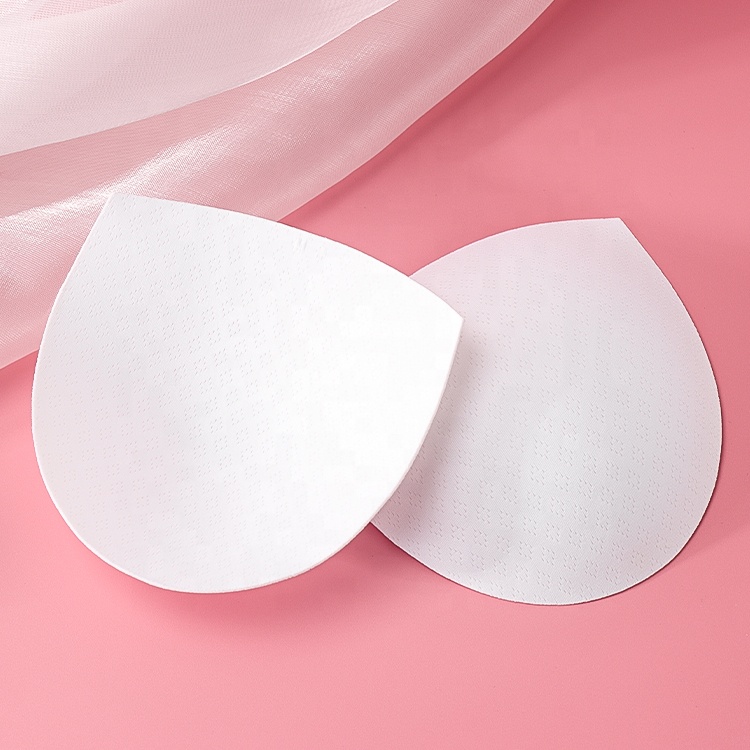
JHL8130.7CM
Removable Bra Pads (0.7 cm, Foam) · JHL813 · 1601256752148
ID 1601256752148
Reference priceUSD 0.31–0.35 / pairMin. order 50 pairs
IN THE GARMENT / Activewear
Start with the sports bra or top you are developing. Pocket size, pad edges and thickness distribution help define the reference to evaluate.
Share your garment brief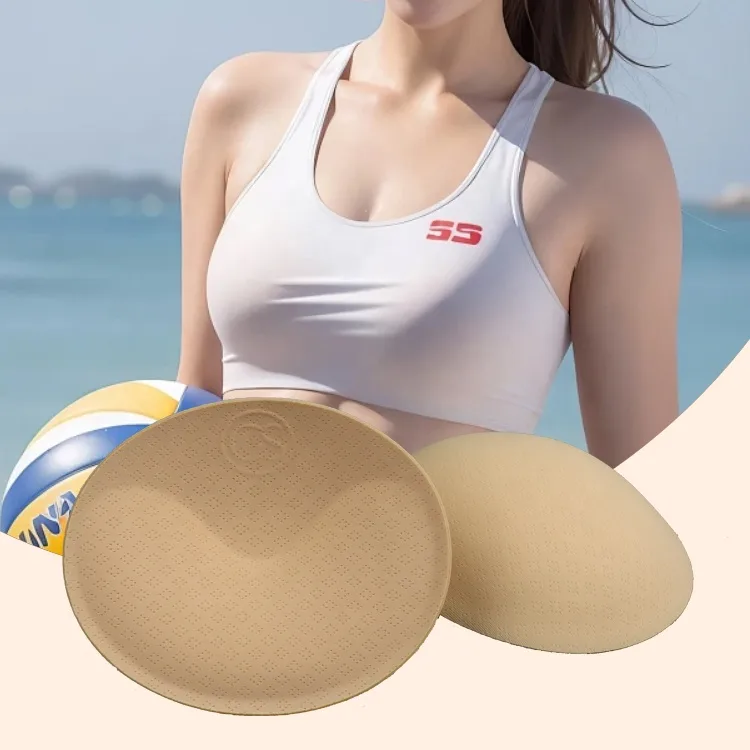
GINETEX groups care instructions into five processes: washing, bleaching, drying, ironing and professional care. The number in the wash tub gives the maximum temperature in °C. One bar below it calls for gentler mechanical action. Record both conditions when checking a sample in its finished garment.
For flexible polyurethane foam, density is mass per volume (kg/m³). The Polyurethane Foam Association describes firmness as the force at 25% indentation, and support factor as force at 65% divided by force at 25%. If PU foam is proposed, ask for the sample thickness, test method and results for that grade before comparing two materials.
For activewear, choose the pad inside the complete stretch garment rather than judging the loose component. The pocket, lining and outer fabric all move, and their tension changes across body positions. Start with a brief that names the activity, garment coverage and whether the wearer should remove the pad for washing. Use the source-listed models below to organise a sample comparison. They are keyword-matched references, not certified impact-support products. Movement support comes from the whole garment, so a thicker pad must not be presented as a higher support rating.
Require stable positioning during the intended movements. Fit the pad to the pocket perimeter and opening, then inspect it after bending, reaching and the movements relevant to the garment. Record folding, rotation and edge visibility separately. If the pad migrates, review both the pocket shape and the component outline; increasing thickness without checking the pocket can make removal and replacement more difficult.
Require a profile that remains acceptable under stretched fabric. Evaluate the sample with the actual fabric, colour and lining because an opaque-looking loose swatch can become less opaque under tension. Compare the centre and perimeter of the pad in the garment. Specify the visual acceptance condition and viewing position instead of relying on a generic claim that the foam is seamless or invisible.
Require repeatable recovery after the agreed care cycle. Discuss compression, washing and drying with the supplier for the chosen laminate, and keep an approved garment sample for comparison. Check the pad as well as the lining pocket. A source keyword such as breathable or high density is not a measured result; request the method and evidence if either property is part of acceptance.
These are source statements, not independently tested performance results. Confirm the exact sample and acceptance method.
| Reference | Listed thickness | Material declaration | Stated application |
|---|---|---|---|
| JHL813 | 0.7CM | Sponge With Polyester Cloth | Swimwear,Yoga Suit,Sport Underwear And Others |
| JH71 | 0.6CM | Sponge With Polyester Cloth | Swimwear,Yoga Suit,Sport Underwear And Others |
| JHL772 | 0.7CM | Sponge With Polyester Cloth | Swimwear,Yoga Suit,Sport Underwear And Others |
| JHL527 | 0.5cm | Sponge with Cloth | Swimwear,Yoga Suit,Sport Underwear And Others |
| JH16 | 0.42cm | Sponge with Cloth | Swimwear,Yoga Suit,Sport Underwear And Others |
Avoid selecting only by S, M and L. Those labels may describe component options rather than your finished garment size chart. Send the pocket dimensions and opening measurement for each garment grade. Check insertion and removal on the sample before accepting a supplier label as a complete size specification, especially if the same pad is proposed across several sizes.
Avoid testing a removable pad only when dry and perfectly flat. Handling and care can expose folds that are not visible in a catalogue photograph. Follow the agreed care instruction, replace the pad in the pocket and check orientation. If the opening is too small, forcing the component through it may create a problem that is actually caused by garment construction.
Avoid confusing modesty coverage with sports support. Padding can change appearance without controlling movement. Record the role assigned to the component and evaluate support in the complete garment through the brand’s appropriate fitting process. Do not copy a performance promise from another style merely because it uses a similar material or the same nominal thickness.
Browse the bra-pad collection with your pocket drawing and care requirements.
Selected by garment keywords in the supplier titles or stated applications. These references are a starting point for evaluation; confirm the fit and use requirements with samples.
ID 1601256752148
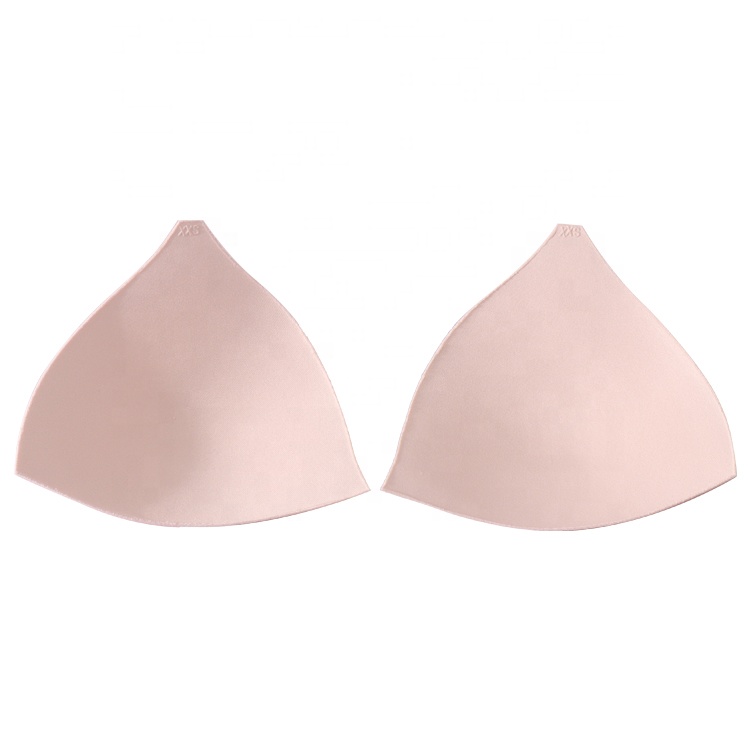
ID 1601248311703
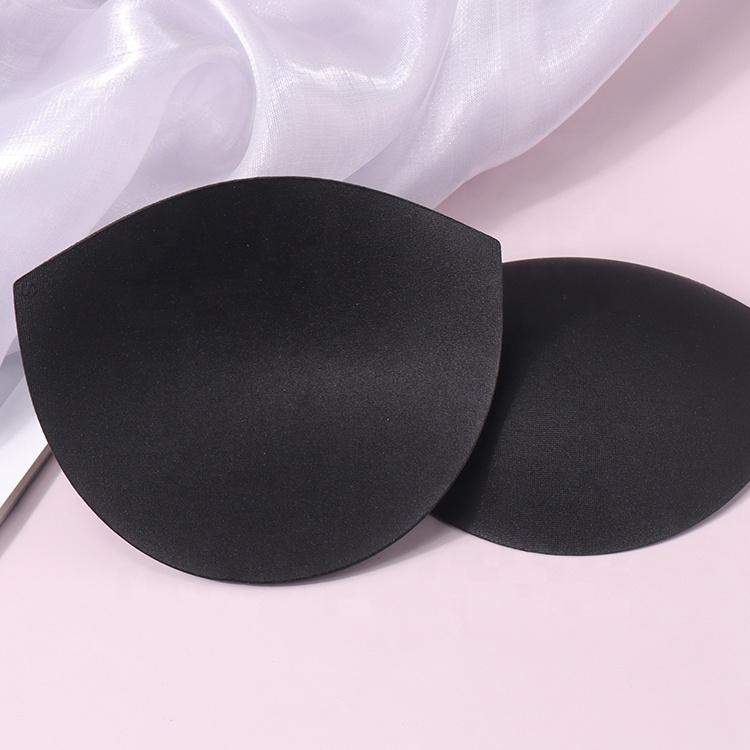
ID 1601215009950
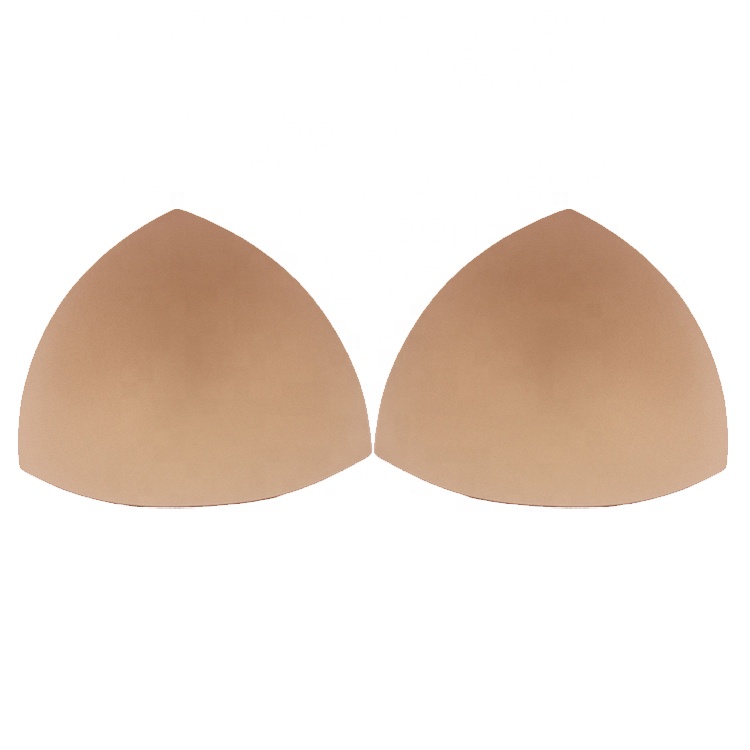
ID 1601087168598
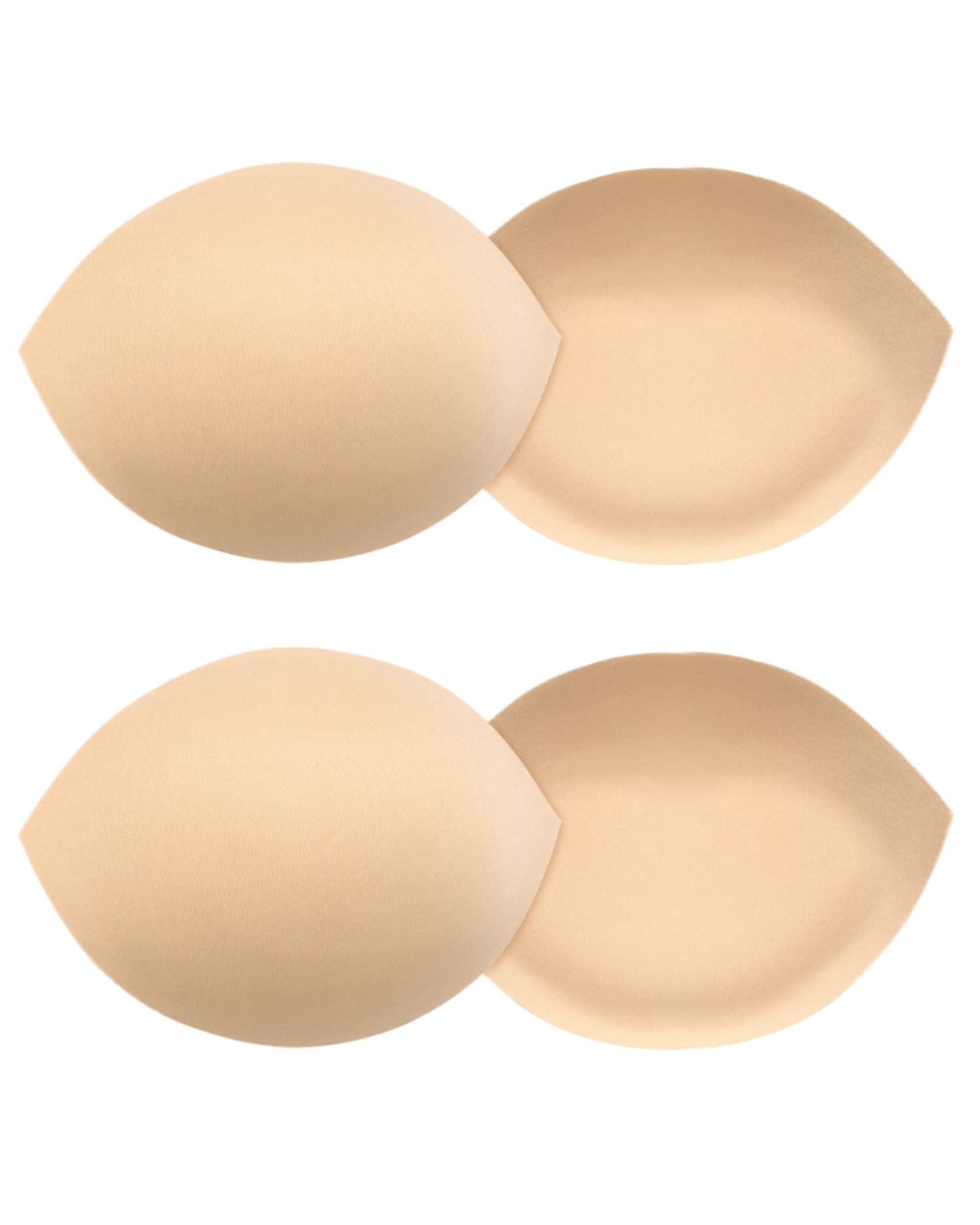
ID 1601950988436
SOURCING NOTES
Measure the garment pocket and define the pad outline, thickness distribution and removable or fixed construction. Assess the sample in the garment. Wash recovery, movement and other performance requirements need model-specific tests and agreed acceptance conditions.
Published by · Yiwu Jinhong Garment Accessories Co., Ltd. / CUPNORA
Content updated
Supplier records and owner-provided documents are identified where used. AI assists organisation and translation; source statements are not independent test results.
FOR GARMENT BUYERS WORLDWIDE
Developing lingerie, swimwear or padded activewear? Bring your brand, factory and buying-team requirements into one cup and pad brief, wherever your project is based.
LET’S MAKE YOUR NEXT SHAPE