 CUPNORA
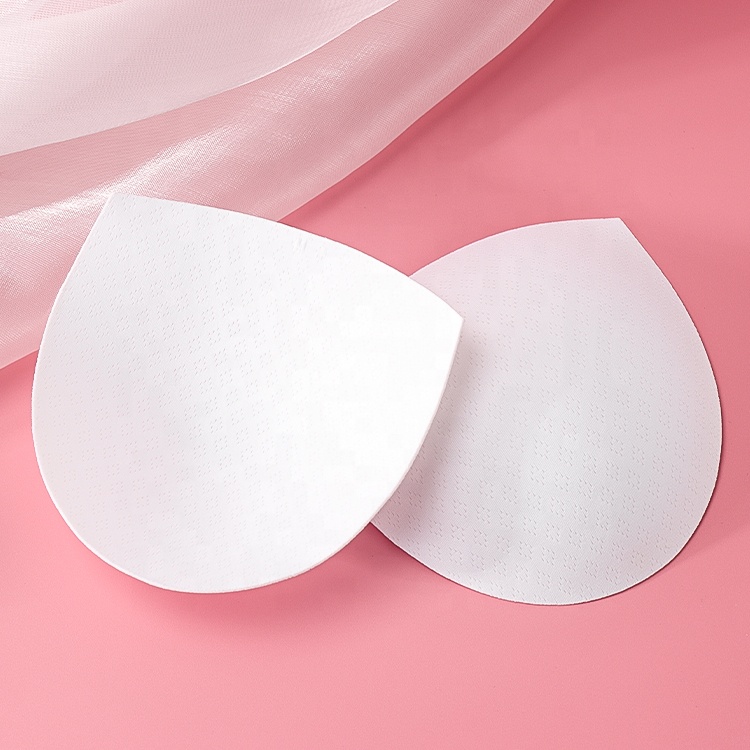
JHL8130.7CM
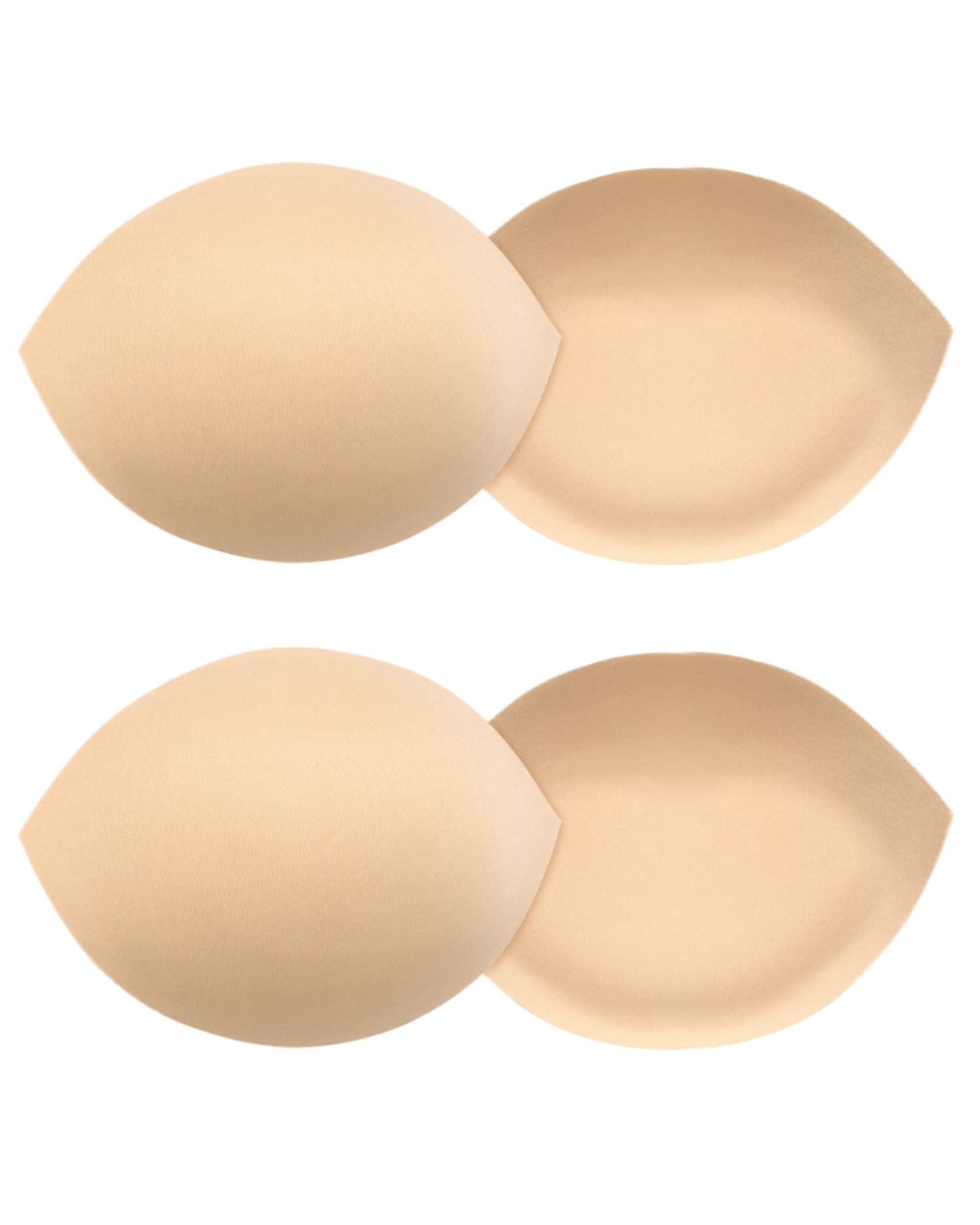
Removable Bra Pads (0.7 cm, Foam) · JHL813 · 1601256752148
ID 1601256752148
Reference priceUSD 0.31–0.35 / pairMin. order 50 pairs
IN THE GARMENT / Swimwear
Develop your swimwear brief around the pattern, lining and cup pocket. Evaluate materials and construction for the actual water-use conditions.
Share your garment briefChina’s reported exports by destination, in millions of US dollars. These figures cover finished garments. Orders for cups and pads are recorded separately by suppliers.
| Destination | 2023 | 2024 | 2025 |
|---|---|---|---|
| All destinations | 1,578.08 | 1,575.69 | 1,376.54 |
| Vietnam | 17.13 | 8.79 | 2.62 |
| Indonesia | 1.37 | 1.23 | 1.46 |
| Spain | 65.27 | 69.41 | 64.71 |
| Mexico | 19.3 | 17.9 | 15.79 |
GINETEX groups care instructions into five processes: washing, bleaching, drying, ironing and professional care. The number in the wash tub gives the maximum temperature in °C. One bar below it calls for gentler mechanical action. Record both conditions when checking a sample in its finished garment.
Select swimwear cups around the wet garment, not only the dry showroom appearance. The outer fabric, lining, pocket and attachment method determine how a component behaves in water and during drying. Describe the intended pool or seawater conditions in the brief and decide which checks are necessary before selecting a sample. The product table records available thickness and material declarations, without claiming chlorine resistance or a drying time. Any such performance requirement needs evidence for the actual laminate and finished garment, rather than an assumption based on the word sponge.
Require compatibility with the intended water exposure. Ask the supplier how chlorine or saltwater suitability will be assessed for the selected material, adhesive and lining combination. Agree the method and acceptance condition before ordering a test. A fabric covering and the foam core may respond differently, so examine colour change, layer separation and shape after the agreed exposure instead of treating one generic material label as proof.
Require controlled water retention and drying behaviour for the intended use. Compare samples under the same soaking, draining and drying conditions so the observation is meaningful. If retained water changes the garment’s weight or fit, document the issue before changing the pad. Do not state that a component is non-absorbent or quick-drying until a suitable product-specific check supports that description.
Require a stable outline and acceptable opacity in the wet assembly. Inspect the actual colour, lining and pocket with the pad installed. Water and fabric tension can make an edge or contrast more noticeable than in a dry sample. Define the positions and conditions for visual assessment, and include the attachment area so a neatly shaped loose cup does not hide an unsuitable seam or opening.
These are source statements, not independently tested performance results. Confirm the exact sample and acceptance method.
| Reference | Listed thickness | Material declaration | Stated application |
|---|---|---|---|
| JHL813 | 0.7CM | Sponge With Polyester Cloth | Swimwear,Yoga Suit,Sport Underwear And Others |
| JH71 | 0.6CM | Sponge With Polyester Cloth | Swimwear,Yoga Suit,Sport Underwear And Others |
| JHL772 | 0.7CM | Sponge With Polyester Cloth | Swimwear,Yoga Suit,Sport Underwear And Others |
| JHL527 | 0.5cm | Sponge with Cloth | Swimwear,Yoga Suit,Sport Underwear And Others |
| JH16 | 0.42cm | Sponge with Cloth | Swimwear,Yoga Suit,Sport Underwear And Others |
Do not substitute a lingerie sample merely because its thickness matches the swimwear brief. Equal thickness does not establish equal foam, lamination or water performance. Compare the full declared construction and request the missing information. A suitable dry fit can justify a wet evaluation, but it cannot replace that evaluation or establish a chlorine-resistance claim.
Do not choose a light pad colour without viewing it beneath the wet outer fabric. Contrast may show through even when the dry garment seems opaque. Keep colour and outline observations separate from body-size fit so a colour problem is not incorrectly solved by changing the cup size. Record the approved colour reference with the sample rather than relying on a screen image.
Do not close a pocket before checking drainage, handling and replacement. Trapped water or an awkward opening may be a garment-construction issue. Discuss the proposed seam and pocket layout with the sample maker, then repeat the same wet checks on the assembled version. A successful loose-component observation is useful evidence, but it does not automatically transfer to a sealed or tightly fitted pocket.
Use the bra-pad collection to compare source references for your swimwear sample brief.
Selected by garment keywords in the supplier titles or stated applications. These references are a starting point for evaluation; confirm the fit and use requirements with samples.
ID 1601256752148
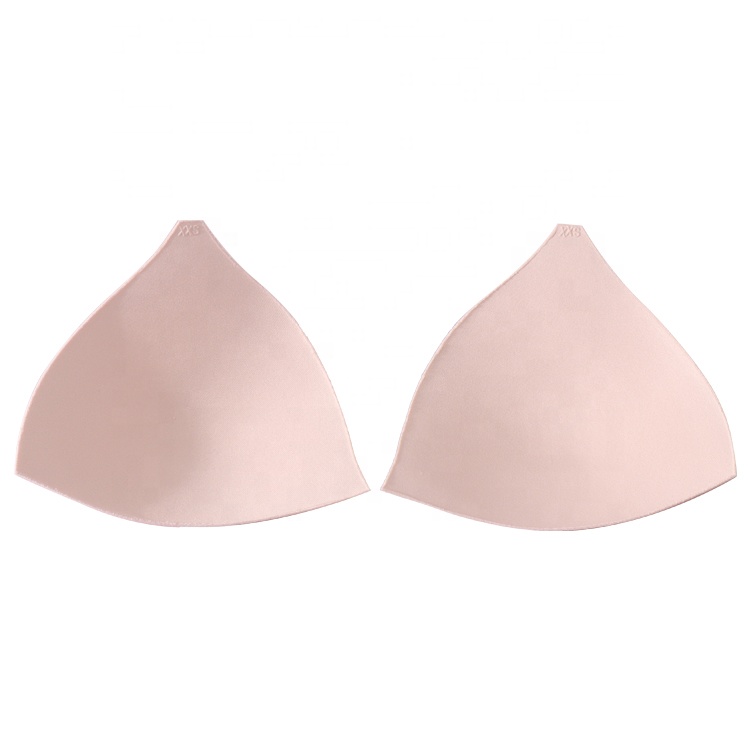
ID 1601248311703
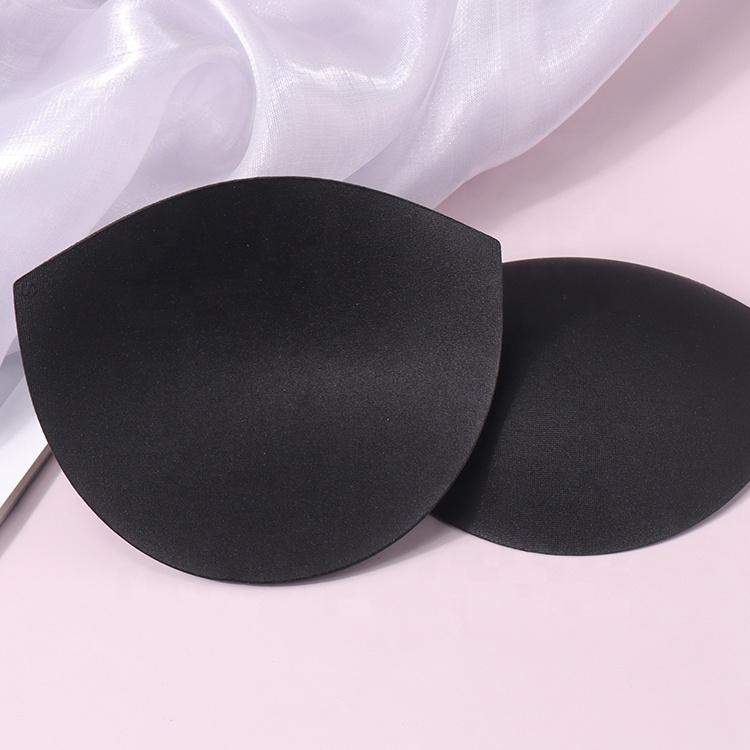
ID 1601215009950
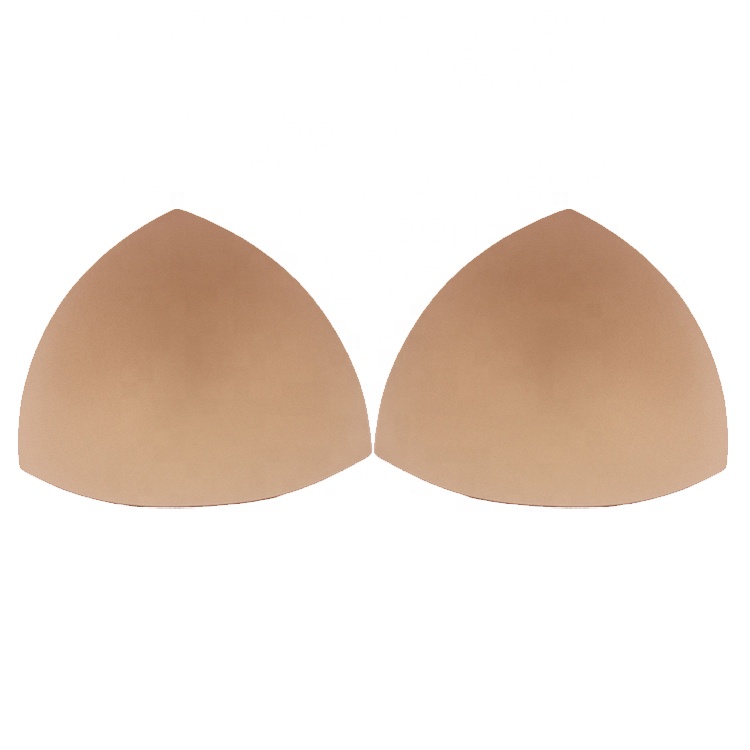
ID 1601087168598
ID 1601950988436
SOURCING NOTES
Provide the swimwear pattern or pocket dimensions, required coverage, layer construction and whether the cup is removable or attached. Water exposure, drying, colourfastness and recovery need product-specific evaluation; a swimwear keyword does not prove these properties.
Published by · Yiwu Jinhong Garment Accessories Co., Ltd. / CUPNORA
Content updated
Supplier records and owner-provided documents are identified where used. AI assists organisation and translation; source statements are not independent test results.
FOR GARMENT BUYERS WORLDWIDE
Developing lingerie, swimwear or padded activewear? Bring your brand, factory and buying-team requirements into one cup and pad brief, wherever your project is based.
LET’S MAKE YOUR NEXT SHAPE