 CUPNORA
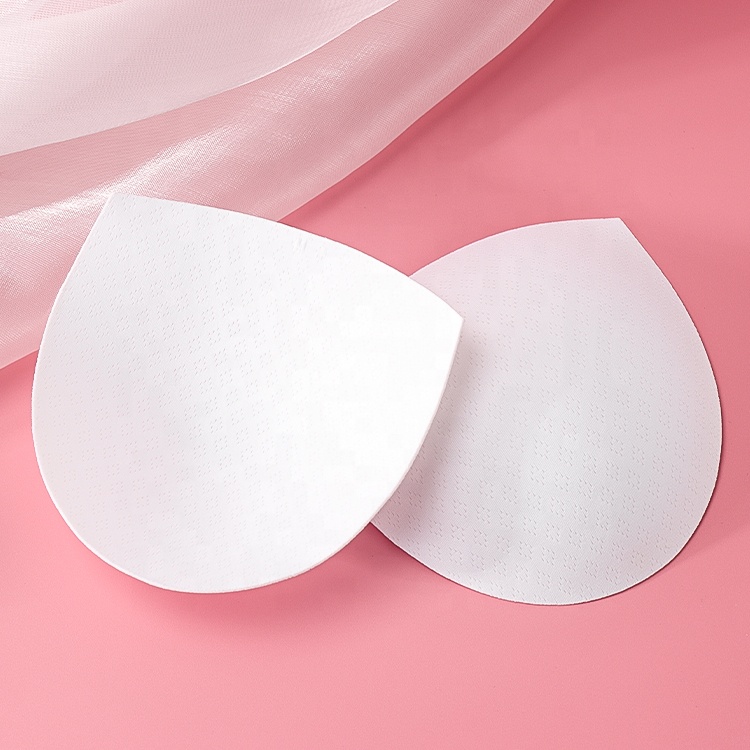
JHL8130.7CM
Removable Bra Pads (0.7 cm, Foam) · JHL813 · 1601256752148
ID 1601256752148
Reference priceUSD 0.31–0.35 / pairMin. order 50 pairs
IN THE GARMENT / Lingerie
For bras, bralettes and intimate garments, begin with the pattern. Cup geometry and attachment details deserve the same attention as the outer fabric.
Share your garment brief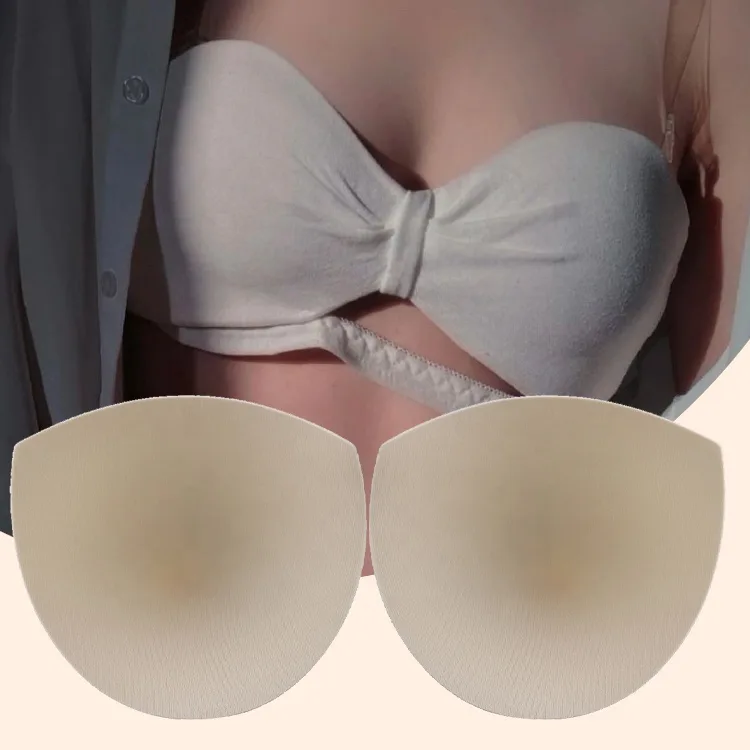
China’s reported exports by destination, in millions of US dollars. These figures cover finished garments. Orders for cups and pads are recorded separately by suppliers.
| Destination | 2023 | 2024 | 2025 |
|---|---|---|---|
| All destinations | 4,240.97 | 4,350.01 | 3,908.48 |
| Vietnam | 282.46 | 222.72 | 206.55 |
| Indonesia | 91.2 | 78.04 | 85.21 |
| Spain | 57.78 | 65.57 | 71.18 |
| Mexico | 84.22 | 81.38 | 64.39 |
For bras sold in the EU, Annex IV allows the composition of the whole product or of specified components. For the component route, obtain the fibre percentages for the inner and outer fabrics of both the cups and the back. Ask the garment maker which route its label uses before approving a fabric change.
Choose a lingerie cup by starting with the finished bra construction: wired or unwired, lined or unlined, and removable or permanently attached. A moulded component can look suitable on a table yet behave differently once the cradle, elastic and straps place it under tension. Keep a reference garment and its pattern beside the sample so the discussion concerns a particular silhouette. The comparisons below reproduce supplier fields; they do not establish a common grading standard between models. Approve the shape and attachment together before discussing a larger size run.
Require a compatible lower cup edge and cradle. Compare the complete seam line, not just the widest point of the foam. A wire channel, seam allowance or bonded edge occupies space that a flat photograph cannot explain. Ask for a drawing showing which dimension is measured along the curve and which is measured straight across. Confirm the left and right orientation before cutting the first sample.
Require a deliberate thickness profile under the intended outer fabric. A single listed thickness does not tell you whether the value describes the centre, lower push-up area or edge. Mark those positions in the development brief and assess the cup opening with the actual lace or jersey. Check the transition at the edge under normal garment tension before accepting a thicker component as a substitute.
Require attachment and care checks on the assembled bra. Stitching or bonding can change the edge and may interact with the lining. Agree the wash method, drying method and inspection points with the supplier for this exact construction. Record any curling, separation or loss of shape against the approved sample; a material name alone is not a wash-performance certificate.
These are source statements, not independently tested performance results. Confirm the exact sample and acceptance method.
| Reference | Listed thickness | Material declaration | Stated application |
|---|---|---|---|
| JHL813 | 0.7CM | Sponge With Polyester Cloth | Swimwear,Yoga Suit,Sport Underwear And Others |
| JH71 | 0.6CM | Sponge With Polyester Cloth | Swimwear,Yoga Suit,Sport Underwear And Others |
| JHL772 | 0.7CM | Sponge With Polyester Cloth | Swimwear,Yoga Suit,Sport Underwear And Others |
| JHL527 | 0.5cm | Sponge with Cloth | Swimwear,Yoga Suit,Sport Underwear And Others |
| JH16 | 0.42cm | Sponge with Cloth | Swimwear,Yoga Suit,Sport Underwear And Others |
Do not substitute one supplier’s B-labelled component for another solely because both show B. Cup labels can refer to different mould families, widths and grading conventions. Compare the component drawing, then make a sample in the same garment size. Where drawings are absent, keep the dimension request open instead of converting the retail letter into an invented width.
Do not approve the cup with the straps pulled unusually tight. Extra strap tension can temporarily hide a mismatch at the lower edge while creating pressure or distortion elsewhere. Assess the garment at its intended adjustment range and record where the cup lifts away or compresses. The sample discussion should separate cup geometry from an elastic or strap adjustment.
Do not treat an attractive source photograph as proof of a matched pair. Confirm whether the commercial unit is a piece or pair and whether left and right shapes differ. Keep orientation marks on the sample and order sheet. This prevents a correct-looking photograph from turning into a production count or handedness mistake when the components arrive.
Compare the bra-cup collection using the approved cradle and edge requirements.
Selected by garment keywords in the supplier titles or stated applications. These references are a starting point for evaluation; confirm the fit and use requirements with samples.
ID 1601256752148
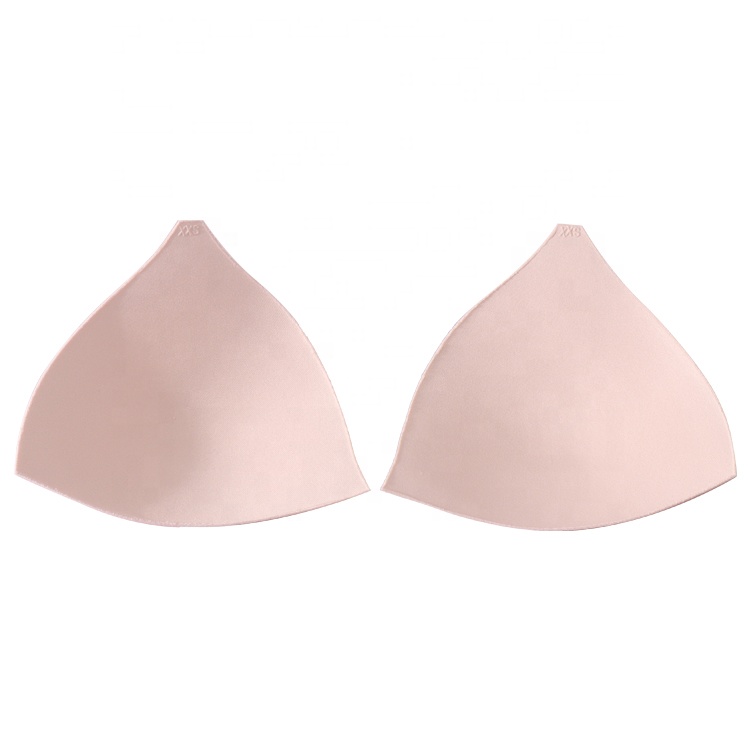
ID 1601248311703
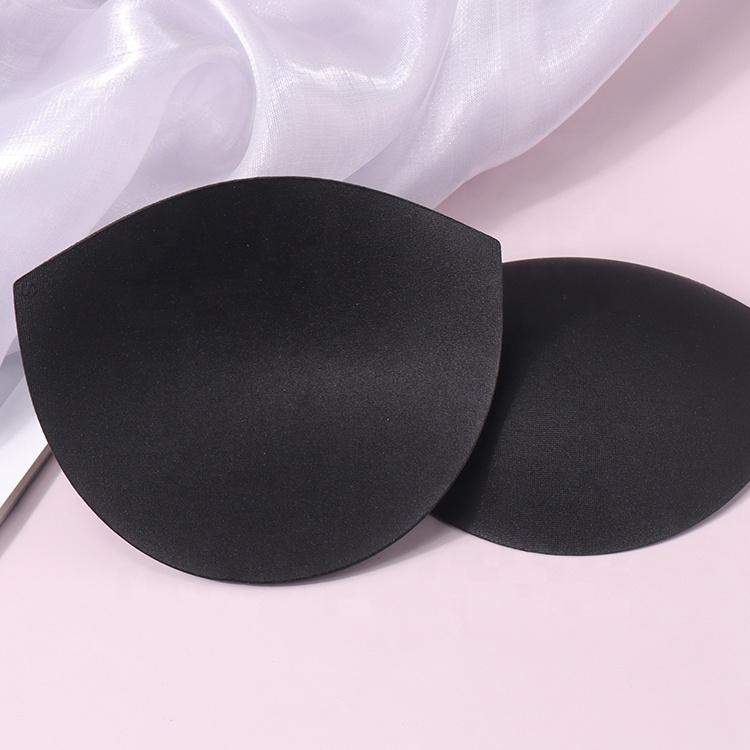
ID 1601215009950
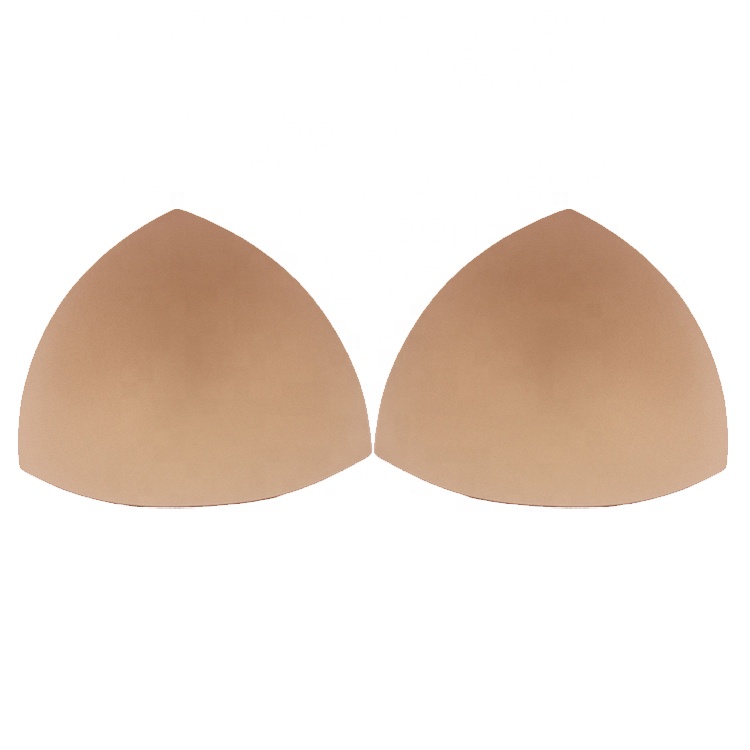
ID 1601087168598
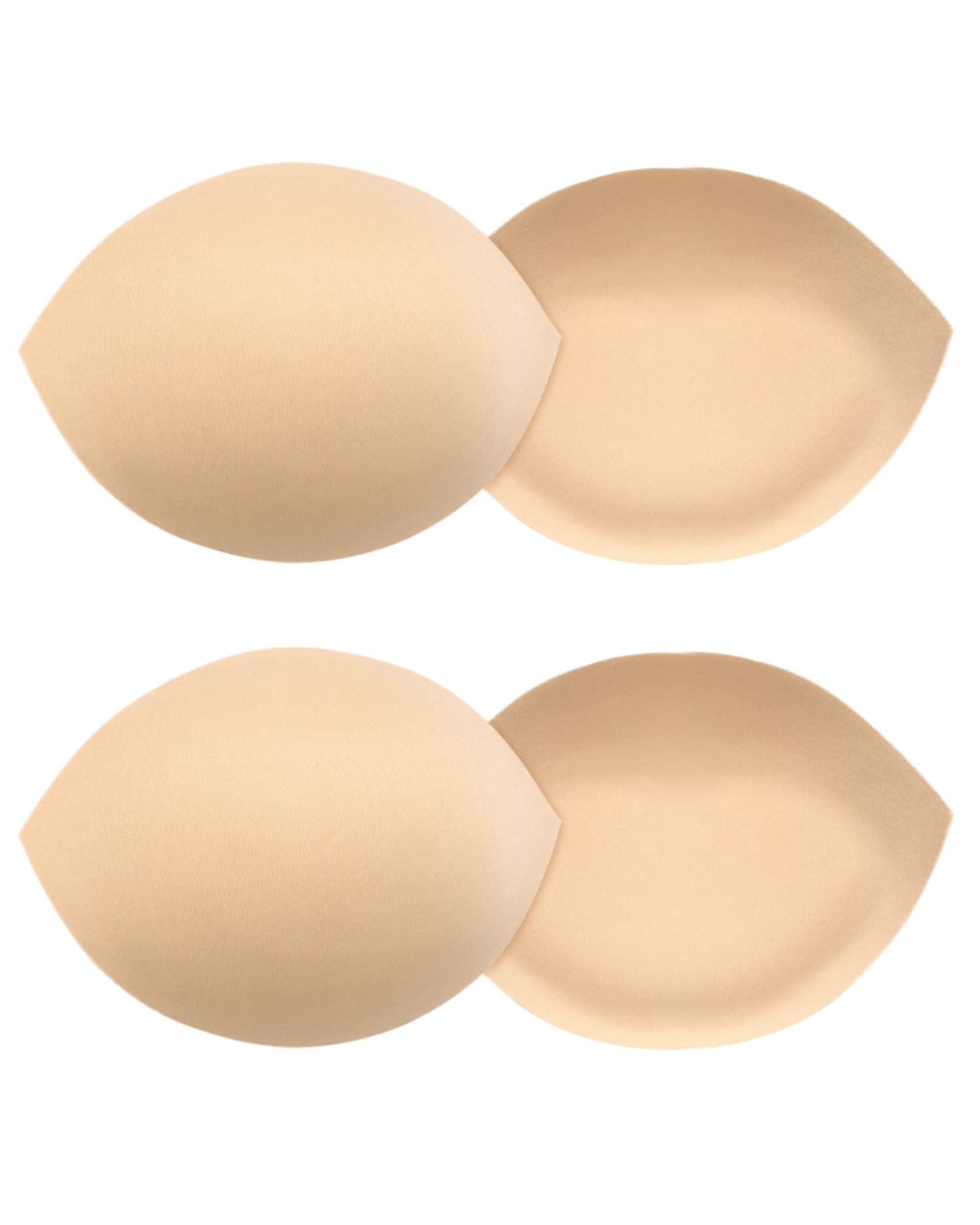
ID 1601950988436
SOURCING NOTES
Match the reference to the pattern, coverage and wire or wire-free construction. Record cup depth, measurement method and left/right pairing, then evaluate each size in the garment. A/B/C labels alone do not define a universal size standard.
Published by · Yiwu Jinhong Garment Accessories Co., Ltd. / CUPNORA
Content updated
Supplier records and owner-provided documents are identified where used. AI assists organisation and translation; source statements are not independent test results.
FOR GARMENT BUYERS WORLDWIDE
Developing lingerie, swimwear or padded activewear? Bring your brand, factory and buying-team requirements into one cup and pad brief, wherever your project is based.
LET’S MAKE YOUR NEXT SHAPE