 CUPNORA
Composition & layers
Specify foam and fabric composition, layer count and colour. Resolve repeated or conflicting source attributes with the supplier.
CUPNORA / materials
A material name is a starting point. Define the layers, dimensions and evidence that your garment project needs.
READ THE CONSTRUCTION
Supplier listings include foam, fabric and other material descriptions. Read the exact model’s attributes, then confirm the composition and layer combination rather than assuming all products share one construction.
Read certificate scope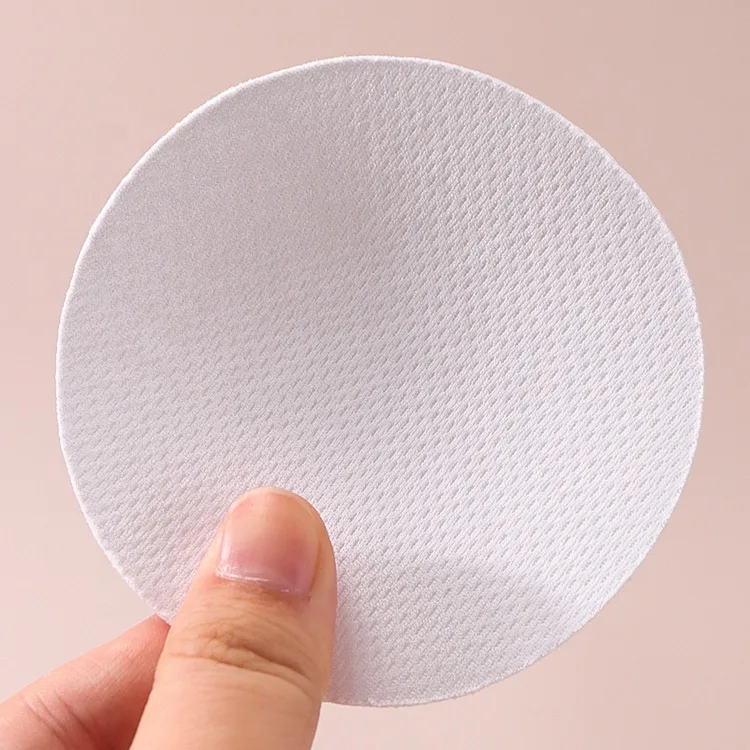
Specify foam and fabric composition, layer count and colour. Resolve repeated or conflicting source attributes with the supplier.
Mark centre and edge positions, depth and outline dimensions. State the method and units on the drawing.
Agree washing, skin contact or water-use requirements. Request the applicable report or certificate scope for the intended construction.
For bras sold in the EU, Annex IV allows the composition of the whole product or of specified components. For the component route, obtain the fibre percentages for the inner and outer fabrics of both the cups and the back. Ask the garment maker which route its label uses before approving a fabric change.
The European Environment Agency estimates EU-27 consumption of new textiles at 19 kg per person in 2022, up from 17 kg in 2019. The 2022 total comprises 8 kg of clothing, 7 kg of household textiles and 4 kg of footwear. A supplier assessing a cup material needs a separate bill of materials and mass per pair.
For flexible polyurethane foam, density is mass per volume (kg/m³). The Polyurethane Foam Association describes firmness as the force at 25% indentation, and support factor as force at 65% divided by force at 25%. If PU foam is proposed, ask for the sample thickness, test method and results for that grade before comparing two materials.
SOURCING NOTES
Foam describes a core material reference; fabric describes a covering layer. Ask for the composition of each layer, bonding construction and thickness measured at named positions. Density, recovery and any performance claim require separate values or evidence for the exact model.
Published by · Yiwu Jinhong Garment Accessories Co., Ltd. / CUPNORA
Content updated
Supplier records and owner-provided documents are identified where used. AI assists organisation and translation; source statements are not independent test results.
LET’S MAKE YOUR NEXT SHAPE